A what is septic system guide explains how private wastewater treatment works when a property lacks public sewer service. Wastewater enters a tank, solids settle, and liquid moves to a drainfield for soil treatment. Knowing these parts helps Spartanburg property owners protect their homes, land, water, and system function.
A property owner may first notice a septic system when buying a home, planning an addition, or finding a buried cover. The system stays out of sight, but it handles wastewater each day. Learning its parts helps owners make safe choices and find trouble early.
Table of Contents
- What is a septic system?
- What are the main parts of a septic system?
- How does wastewater move through a septic system?
- How do the septic tank and drainfield work together?
- What septic system terms should property owners know?
- What are common misconceptions about septic systems?
- How can property owners keep a septic system working properly?
- Frequently Asked Questions
What is a septic system?
A septic system is an underground setup that treats wastewater from a home or other building. It is common in rural places and areas without public sewer lines. Wastewater leaves the building through a pipe and enters a buried tank.
The tank holds the wastewater while heavy solids sink and light material floats. Helpful bacteria break down some of the waste. Liquid then leaves the tank and moves to the drainfield, where the soil gives it more treatment.
How a septic system treats household wastewater
Household wastewater comes from toilets, sinks, showers, tubs, washing machines, and dishwashers. It may also be called sewage, based on the setting. A septic system separates much of the solid waste from the liquid waste.
The system does not make waste vanish. It stores solids in the tank and sends liquid to a planned soil treatment area. The soil helps remove many harmful materials before the liquid reaches groundwater.
How septic systems differ from public sewers
A public sewer carries wastewater from many properties to a shared treatment plant. A septic system treats wastewater on or near the property that makes it. The property owner usually handles access, care, inspections, repairs, and pumping.
This difference matters when a property changes hands. A buyer, tenant, or investor should know where the tank and drainfield are found. Septic Tank Pumping Spartanburg can help Spartanburg property owners understand septic tank pumping before a system needs urgent care.
What are the main parts of a septic system?
The main parts include the building sewer pipe, septic tank, outlet pipe, drainfield, and soil below the drainfield. Some systems also have filters, pumps, control panels, risers, or distribution boxes. The design depends on the land, soil, local rules, and site needs.
Each part has its own job. If one part breaks, blocks, or receives too much wastewater, the whole system may work poorly. Knowing the parts makes talks with a septic worker easier.
Septic tank, inlet, outlet, and access covers
The septic tank is a watertight container that receives wastewater. The inlet pipe brings wastewater into the tank. The outlet pipe sends liquid toward the drainfield after solids settle.
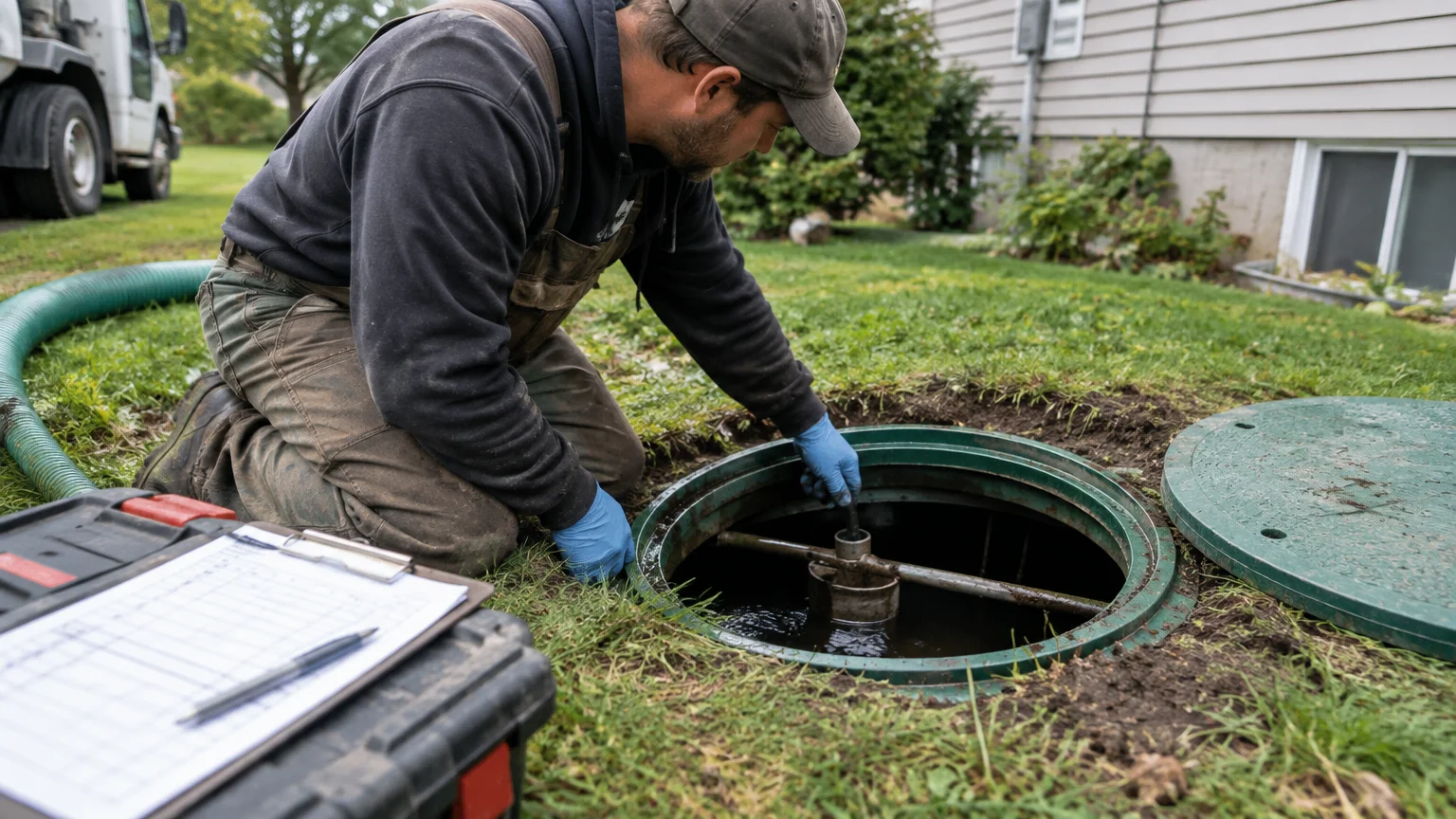
Access covers allow inspection and pumping. Older tanks may have covers under the soil. Newer systems may use risers that bring access near ground level. Property owners should never enter a septic tank. Dangerous gas and low oxygen can cause severe injury or death.
Tanks may be made from concrete, fiberglass, or plastic. Their size and shape vary by design. A trained worker can check the tank location, condition, and access points without unsafe digging or entry.
Drainfield and soil treatment area
The drainfield receives liquid from the tank. It may have several perforated pipes set in gravel, chambers, or another approved structure. Liquid spreads through the area and moves into the soil.
The soil treatment area is the soil below and around the drainfield. It filters wastewater and supports natural treatment. Heavy vehicles, sheds, patios, deep-rooted plants, and large storage piles can harm this area.
Keep the drainfield open, and do not change its slope. Adding soil, digging, or sending roof water toward it can affect how wastewater moves through the ground.
How does wastewater move through a septic system?
Wastewater flows from the building through a sewer pipe and into the septic tank. Heavy solids sink, light materials float, and the middle liquid layer moves toward the outlet. The drainfield then spreads that liquid into the soil for more treatment.
Many properties depend on gravity. Other systems use a pump when the tank or drainfield sits at another height. A pump system may also have alarms, electrical parts, and a separate pump tank.
How wastewater flows from the property to the soil
Wastewater from toilets, sinks, showers, and appliances moves through the sewer pipe into the tank. Baffles help separate scum, liquid, and sludge before effluent passes through the outlet and into the drainfield soil. Access covers give workers service points, while the soil treatment area gives more treatment.
This flow shows why every part matters. The building pipe must carry wastewater safely. The tank must hold and separate waste. The outlet must keep large solids out of the drainfield. The soil must accept and treat the liquid.
How settling, separation, and biological treatment work
Settling happens when heavy solids drop to the tank bottom. Separation happens when fats, oils, grease, and light materials rise. The middle layer is liquid that can leave through the outlet when the system works well.
Biological treatment means living microbes break down some organic waste. This helps, but it does not remove every harmful substance. Strong chemicals, too much water, solid waste, and grease can harm normal tank and drainfield function.
Pumping removes stored solids. It does not replace good water use, safe disposal, or drainfield care. A septic worker can explain which septic pumping service fits the system's condition and design.
How do the septic tank and drainfield work together?
The septic tank and drainfield are two linked stages of one treatment system. The tank holds and separates wastewater before the drainfield receives it. The drainfield then uses soil to treat and spread the liquid.
A healthy tank cannot repair a damaged drainfield. A good drainfield cannot work well if the tank sends too many solids into it. Both parts need safe use, protection, and timely care.
What happens inside the septic tank
Wastewater enters through the inlet and slows inside the tank. Solids settle into sludge at the bottom. Floating material forms a scum layer at the top. The liquid between those layers is called effluent.
Baffles guide flow and help keep scum and sludge away from the outlet. Some systems also have an effluent filter. This filter helps hold back larger solids, but it still needs checking and cleaning when needed.
As sludge and scum grow, the tank has less room for liquid. Solids may then move toward the drainfield. They can block soil spaces and reduce the field's ability to accept wastewater.
How the drainfield filters treated wastewater
The drainfield receives effluent through pipes, chambers, or another approved method. Liquid moves into unsaturated soil, where physical filtering and natural processes continue. Soil type, depth, slope, water level, and system design all affect results.
A drainfield needs open soil spaces. Flooding, packed soil, and too much water can close those spaces. Warning signs may include wet ground, sewage smells, slow drains, or very green growth over one part of the field.
Septic Tank Pumping Spartanburg helps property owners in the main Spartanburg area, from Downtown Spartanburg to Boiling Springs, Duncan, Lyman, Inman, and nearby communities. Local soil and site conditions in Spartanburg can affect how a system is checked and cared for.
What septic system terms should property owners know?
A few common terms make septic reports and service talks easier to follow. They also help homeowners, tenants, investors, and buyers ask better questions. The terms below describe parts, materials, or steps found in many septic systems.
Effluent, sludge, scum, and biomat explained
Effluent is the liquid that leaves the septic tank. Sludge is heavy solid material at the bottom. Scum is the floating layer of fats, oils, grease, and light solids.
Biomat is a thin layer of microbes and organic matter that can form where effluent enters the soil. A healthy biomat can help with treatment. If too much water or too many solids reach the drainfield, it may become too thick and slow flow.
These layers are normal parts of septic treatment. Trouble starts when they build up, move into the drainfield, or cause a backup. Pumping and inspection help a worker check these conditions.
Baffles, distribution boxes, and risers explained
Baffles guide wastewater inside the tank and help keep scum and sludge away from the outlet. Risers extend tank access toward the surface, making inspections and pumping easier.
A distribution box divides effluent among drainfield lines. If it shifts, blocks, or breaks, one area may receive too much liquid while another gets too little. Some systems use pumps and controls instead of simple gravity flow.
Keep records of these parts when possible. A simple site sketch can show the tank, lids, pipes, drainfield, wells, and buildings. This record helps during repairs, inspections, property sales, and emergency pumping.
What are common misconceptions about septic systems?
Many septic problems start with a simple mistake. A septic system is not a waste hole, and the tank cannot treat unlimited water. It is a planned system with limits set by its design and the property's soil.
Clear information helps property owners avoid damage. It also helps tenants report warning signs early. Small changes in drains, smells, or yard conditions can give useful clues.
Why septic systems are not maintenance-free
A septic system needs regular care because sludge and scum keep building up. Natural bacteria break down some waste, but they do not remove all solids. An ignored tank may send solids into the drainfield.
Some people think additives can replace pumping or repairs. They cannot fix a broken pipe, full tank, flooded drainfield, or poor soil. Follow local guidance and the maker's instructions instead.
A septic system also does not make every household product safe. Paint, solvents, motor fluids, medicines, wipes, and other materials may harm the system or create a disposal problem.
What household activities can affect septic performance
Daily water use affects how quickly wastewater enters the tank and drainfield. Spreading laundry across the week can reduce sudden heavy flow. Fixing leaking toilets and faucets also helps prevent constant water movement.
Property owners should keep these habits in mind:
- Flush only human waste and toilet paper.
- Keep grease, oil, wipes, and harsh chemicals out of drains.
- Keep vehicles and heavy equipment off the drainfield.
- Direct roof water and surface runoff away from the system.
- Do not plant deep-rooted trees over the tank or drainfield.
These steps help normal operation, but they do not remove the need for inspection or pumping. A busy home, business, or seasonal property may need a different care plan.
How can property owners keep a septic system working properly?
Property owners can protect a septic system through careful water use, safe waste disposal, clear records, and professional help when signs appear. They can safely look for odors, slow drains, wet soil, and unusual plant growth. They should not open unsafe covers, enter a tank, dig deeply, or repair buried parts without training.
Routine pumping removes settled solids before they reach the drainfield. Inspections can find damaged covers, broken baffles, blocked filters, shifting distribution boxes, and other concerns. The right schedule depends on tank size, household use, solids, and system design.
Signs that a septic system needs professional attention
Some warning signs start inside the building. Slow drains, gurgling pipes, backups, or sewage smells may point to a full tank, blocked pipe, or drainfield issue. One sign does not prove the cause, so an assessment is safer than guessing.
Outdoor signs matter too. Wet spots near the tank or drainfield, sewage smells, standing water, or sudden plant growth may show that wastewater is not moving normally. Keep people and pets away from suspected sewage.
Seek help quickly when wastewater backs up, an alarm sounds, a pump stops, or a cover breaks. Waiting may allow a small issue to affect more of the system.
Routine pumping, inspections, and responsible water use
Routine pumping removes sludge and scum from the tank. An inspection checks the tank, inlet, outlet, baffles, filter, covers, and visible drainfield parts. The right timing depends on the system's real condition, not one rule for every property.
Start by finding the as-built drawing, permit records, or past service notes. If records are missing, a worker may locate the tank and drainfield. Mark access points and keep them easy to reach.
For septic pumping, Septic Tank Pumping Spartanburg can help property owners understand the next practical step. Contact us to discuss the property's septic system and service needs.
Key takeaways
- A septic system treats wastewater on or near the property.
- The tank separates solids from liquid before the drainfield receives it.
- Soil below the drainfield provides another stage of treatment.
- Safe water use and waste disposal protect the tank and soil.
- Slow drains, odors, wet ground, and backups need prompt attention.
Frequently Asked Questions
How deep should a septic tank be?
A septic tank may sit at different depths based on the property's design, soil, slope, and local rules. Some tanks have shallow covers, while others sit deeper underground. Do not dig blindly. Records, locating tools, or a professional check can help find the tank safely.
How far does a septic tank need to be from a house?
The required distance depends on local health rules, site conditions, and system design. Setback rules may also apply to wells, property lines, streams, driveways, and buildings. Check local requirements and the approved site plan instead of using a general distance.
How can someone find a buried septic tank?
Start with permit records, an as-built drawing, or clues from the building sewer pipe. A worker may use careful probing or electronic locating tools. Heavy equipment can damage the tank or pipe, so mark the area before digging.
How deep is a septic tank lid?
A septic tank lid may sit near the surface or under soil. Its depth changes with the installation and later landscaping. Locate a buried lid before pumping or inspection. Never lift a damaged cover or leave an open tank unattended.
How does a septic system work during heavy water use?
The system receives wastewater faster when many fixtures run at once. Short periods of heavy use may be manageable, but repeated overload can stress the drainfield. Spacing laundry, fixing leaks, and limiting wasteful water use help the system manage normal flow.
Understanding what is septic system gives property owners a useful starting point. The tank, pipes, treatment soil, and household habits all work together. With safe use, clear records, routine maintenance, and timely care, a septic system can serve a property more reliably.
If you are not sure what you are dealing with, it is worth having someone look at it before it turns into a bigger job. Get in touch with Septic Tank Pumping Spartanburg today and we will tell you where you stand.